Different drains, different blockages
Most properties have three distinct categories of drains, and each one gets blocked for entirely different reasons. Understanding these specific common causes of blocked drains is the first step to keeping your pipes flowing smoothly.
You likely know how frustrating a backed-up sink can be during a busy service or a relaxing evening at home. This is actually a massive issue across Malaysia, where fats, oils, and grease cause up to 70 percent of sewer blockages.
We always start our drain cleaning service calls by asking which specific fixture is giving you trouble. The location tells us exactly what method to use.
Let’s look at the science behind why drains block, identify the most frequent culprits, and explore practical ways you can protect your property today.
Kitchen drains: grease, oil, and food
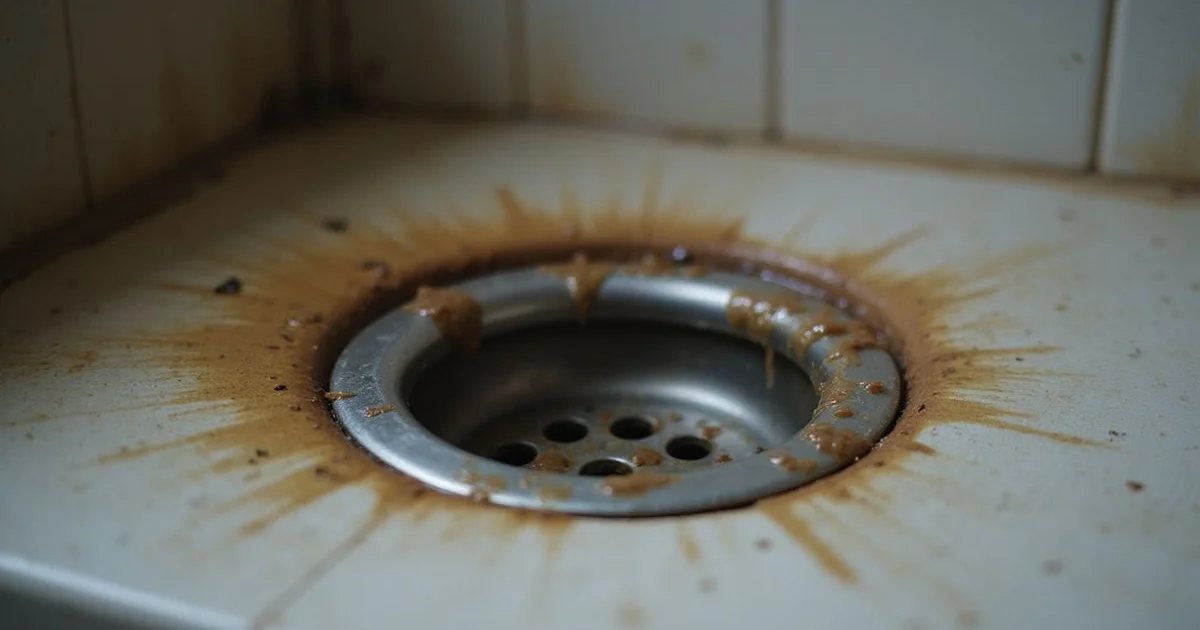
The single biggest cause of kitchen drain blockages is the buildup of fats, oils, and grease from cooking. Hot oil poured down the sink solidifies as it cools to coat the inside of your pipes.
We see kitchen clogs constantly in busy Petaling Jaya restaurants and homes. This sticky buildup creates a trap for coffee grounds, rice, vegetable scraps, and small bones.
To prevent these expensive bills, you must handle kitchen waste correctly.
| Waste Type | Bad Practice | Professional Solution |
|---|---|---|
| Cooking Oil | Pouring down the sink with hot water | Pour into a sealable container and discard in the trash |
| Greasy Pans | Rinsing directly under the tap | Wipe thoroughly with a paper towel before washing |
| Food Scraps | Letting rice and scraps wash away | Use a fine-mesh sink strainer to catch all solids |
A chemical reaction called saponification makes the problem much worse over time. Liquid fat mixes with alkaline dish soaps to form a rock-hard, soap-like compound inside your plumbing.
Our crews often find these hardened fatbergs completely sealing off kitchen lines. Clearing a severe main line blockage can cost up to RM1,400 if Indah Water Konsortium has to intervene for a major sewer backup.
Prevention habits make a huge difference for your kitchen plumbing.
- Wipe greasy pans with a paper towel before washing.
- Do not pour cooking oil down the drain.
- Use a sink strainer to catch solids.
- Run hot water briefly after washing greasy dishes to help flush residual grease.
Bathroom drains: hair, soap, and personal care products
Bathroom drains block primarily from a combination of shedding hair and stubborn soap scum. These two elements bind together to form a dense mat inside the pipe trap, making them leading blocked drain causes.
Hair catches on small obstructions in the plumbing, creating a net that catches everything else. Soap scum then coats this hair over time to create the classic bathroom blockage.
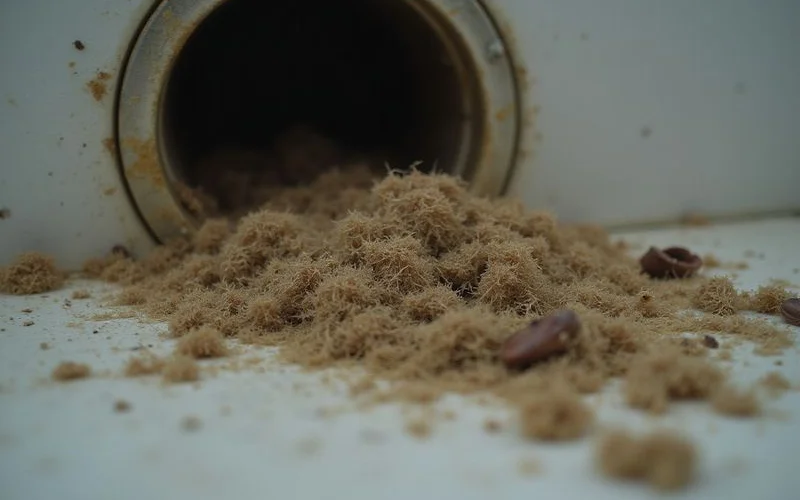
Hair conditioners, body wash residue, and personal care products add heavy layers to the soap scum buildup. We often find that calcium minerals in hard water make this sticky residue bond even tighter to the pipe walls.
Many homeowners reach for store-bought liquid drain cleaners to fix this issue. These chemical solutions often contain sodium hydroxide, which generates intense heat and can melt or warp the standard plastic PVC pipes common in Malaysian homes.
Our technicians always recommend mechanical removal over harsh chemicals. A simple hydro jetting service or a mechanical plumbing snake clears the pipe safely without degrading your infrastructure.
Follow these prevention steps to keep your shower flowing safely.
- Place a simple hair-catcher strainer over the shower drain.
- Empty the strainer basket weekly.
- Flush sink drains with warm water occasionally to prevent scum accumulation.
- Avoid pouring thick, oily bath products directly into the trap.
Outdoor drains: leaves, silt, and roots
Outdoor drains and gullies in your yard or driveway block primarily from leaves, silt, and aggressive tree root intrusion. Rain washes debris into the system, causing sediment to build up at low points in the pipe.
The heavy monsoon rains in Malaysia wash massive amounts of organic material straight into your gullies. Data from 2025 flood mitigation reports shows that silt and rubbish can reduce a local drainage system’s carrying capacity by up to 50 percent.
We frequently see severe root intrusion problems in older properties around Saujana Damansara. Tree roots actively seek out the moisture and nutrients leaking from tiny cracks in underground pipes.
Managing Tree Roots and Silt
Older terracotta or clay pipes are highly vulnerable to these thirsty roots. Once the roots breach the pipe, they grow rapidly into a dense net that traps every piece of passing debris.
You must be proactive with your landscaping choices to protect your drainage lines. Aggressive species like Ficus or Willow trees should never be planted near your main sewer line.
Our preventative maintenance teams use CCTV drain cameras to spot tiny root intrusions before they crack the pipe entirely. Spotting the problem early allows us to use high-pressure root-cutting tools rather than excavating your entire garden.
Regular yard maintenance is the cheapest insurance policy against flooded outdoor gullies during the monsoon season.
Here is how you can protect your outdoor plumbing.
- Clear leaves and debris from outdoor gullies regularly.
- Sweep your driveway and patio before heavy rains hit.
- Never plant trees with aggressive root systems close to underground lines.
- Schedule a CCTV pipe inspection if you notice unusually green patches of grass above your sewer line.
When prevention isn’t enough
Even with excellent daily habits, residential drains eventually accumulate enough buildup to require professional clearing. The warning signs are usually gradual, starting with water draining just a bit more slowly than usual.
You will often see the water flow slow down over several weeks before it finally backs up completely. Catching this early stage saves you from dealing with a highly unsanitary overflow in your kitchen or bathroom.
We always advise property managers to act immediately if they hear unusual gurgling noises coming from the sink. Ignoring the problem allows the blockage to harden inside the pipe.
Watch out for these common red flags indicating a severe blockage.
- Water pools heavily around the shower drain.
- The kitchen sink takes minutes to empty.
- Multiple plumbing fixtures drain slowly at the same time.
This simultaneous slowdown points to a deeper main-line issue, such as a severe root intrusion or a collapsed pipe in your yard.
Our detailed when to call a professional guide covers these escalation signs in depth. Reach out to our local team today if you notice any of these warning signs, and we will restore your pipes to perfect working order.