
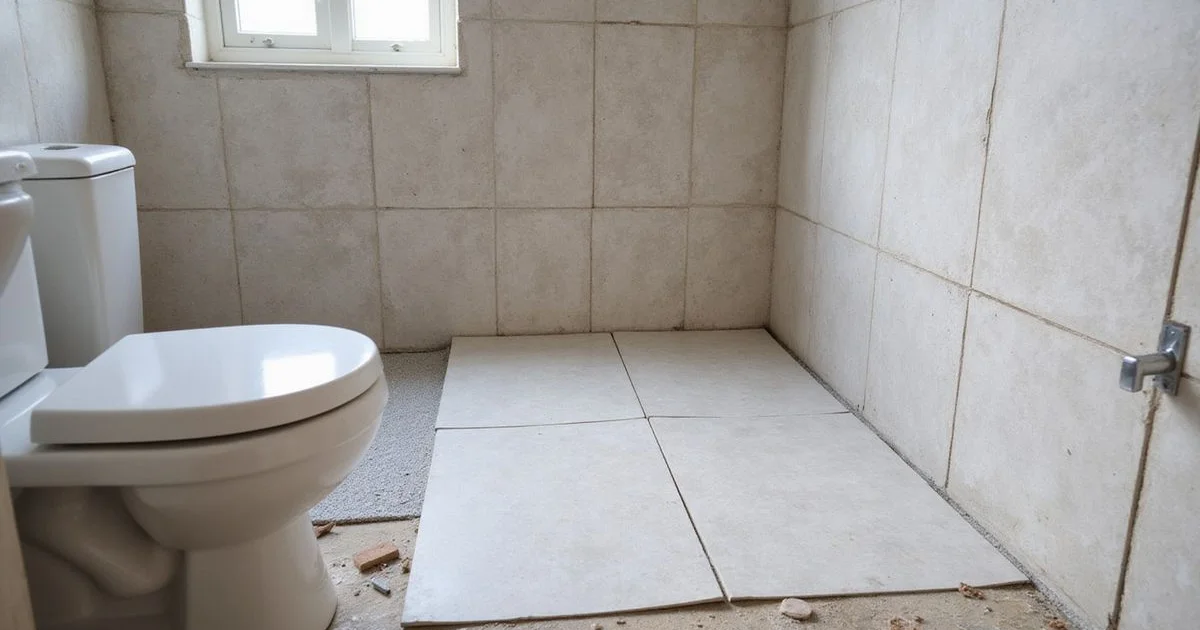
Why the term exists
In Malaysian construction, “wet works” is shorthand for the trades that involve water and cement together — primarily plumbing, waterproofing, screeding, and tiling. Renovating a bathroom or kitchen properly means all four happening in coordinated sequence.
The reason the term gets used as one thing rather than four separate things is because the sequence matters. Getting it wrong is what causes leaks, not picking bad materials. For wet works renovation, the coordination is the work.
The four trades involved
Plumbing
Rough-in plumbing is the supply and drain pipework that feeds the future fixtures. It goes in early — once tiling is down, changing plumbing means hacking and re-doing the surface above it.
This includes hot and cold supply lines, drain lines, vents, and any pipework for water heater or filtration if those are part of the scope.
Waterproofing
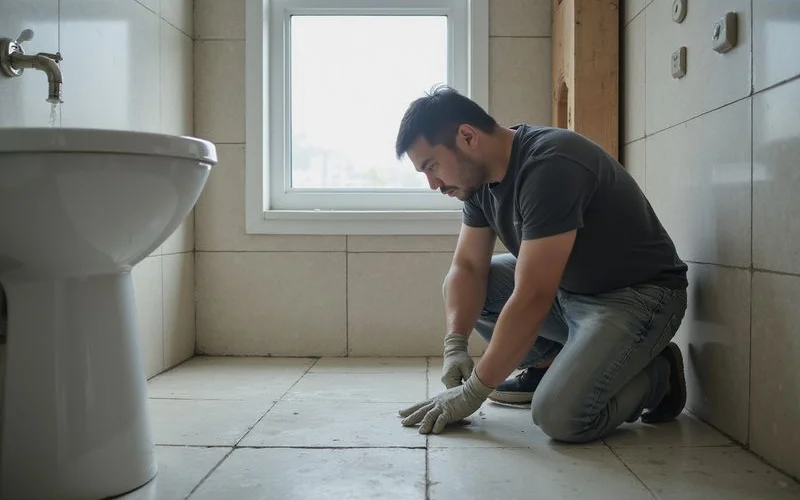
The waterproof membrane that goes between the structural floor/walls and the finished tile. It’s what stops water that gets through grout, around fixtures, or behind tiles from soaking into the structure or leaking through to rooms below.
Membrane is applied after screeding and before tiling. It needs to cure fully before tile goes on top.
Screeding
The cement screed that levels the floor and sets the falls — the slight slope that drains water to the floor drain or floor waste. Wet-area floors must have correct falls; standing water in a bathroom is both annoying and a long-term waterproofing risk.
Tiling
Ceramic or porcelain tile applied over the cured waterproof membrane. The tiling is the visible finish, but it’s not waterproof on its own — grout absorbs water over time. The waterproof layer underneath is what actually keeps water out.
Why integration matters
If a homeowner hires a plumber, a tiler, and a separate waterproofer, the sequencing often slips:
- The plumber finishes before waterproofing is properly considered
- The tiler is keen to start before membrane has fully cured
- The waterproofer is treated as an optional extra rather than a critical step
When any of these slip, the result is a bathroom that leaks within a year or two — water finds the weak point in the sequence.
A coordinated wet-works team manages the sequence as one workflow. Plumbing happens, screed goes in, membrane gets applied and properly cured, then tiling, then fixtures fitted, then commissioning. Each step happens when the previous is ready.
Where wet works applies
The obvious cases are bathrooms and kitchens. Both have water connections, drains, and tiled wet floors that need the full sequence.
Less obvious but equally important:
- Balconies and yards with floor drains — these need waterproofing and tiling sequence just like indoor wet areas
- Laundry rooms with washing machine drains and water supply
- Storage rooms sometimes contain water heater or pump installations that need wet-area treatment
Any room that combines water plumbing and a tiled floor benefits from wet-works coordination.
What goes wrong without coordination
The classic failure modes we get called to fix:
- No waterproof membrane — someone skipped it to save cost or time, and now water seeps through grout to the room below
- Membrane applied over tile — wrong sequence; the membrane should be below, not above
- Tile laid before membrane cured — adhesion fails at the membrane boundary
- Wrong falls — water pools in the wrong spot, sometimes against a wall, leading to localised damage
All of these are avoidable with the right sequence. Our waterproofing and tiling sequence guide covers the order in detail.