
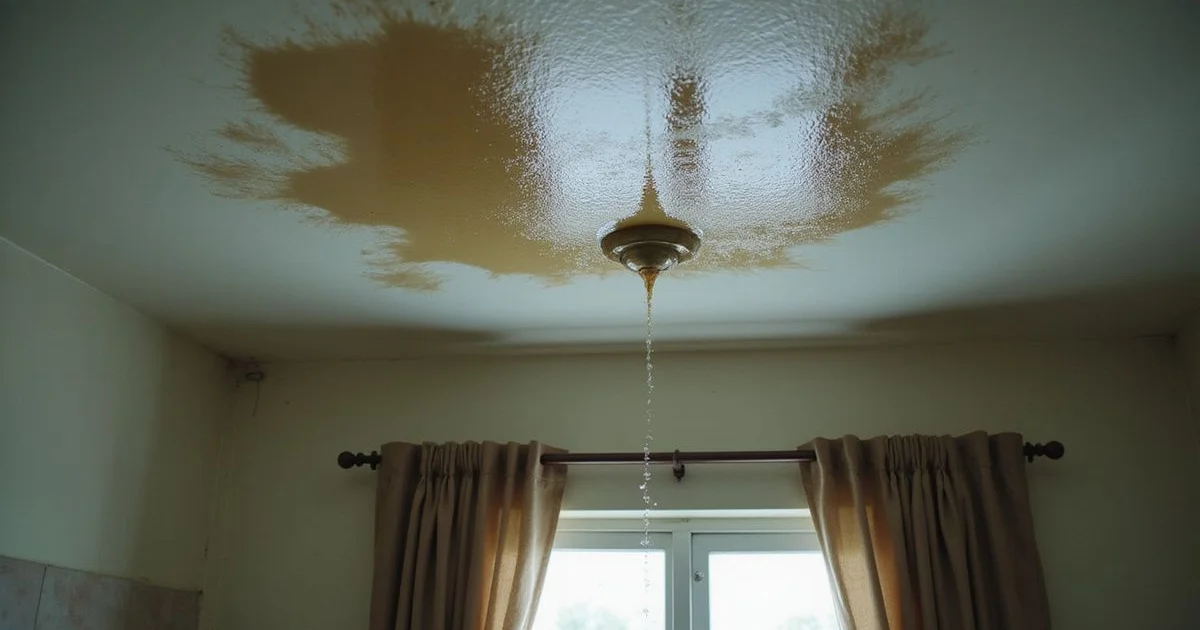
What a hidden leak looks like before you see the water
We know how frustrating the signs of a hidden water leak can be for property owners. Water rarely shows up directly where the pipe has broken, choosing instead to track along beams and behind tiles. This sneaky movement means that by the time a wet patch appears, moisture has often been compromising the structure for weeks.
Our experience shows that identifying these issues early prevents massive repair bills.
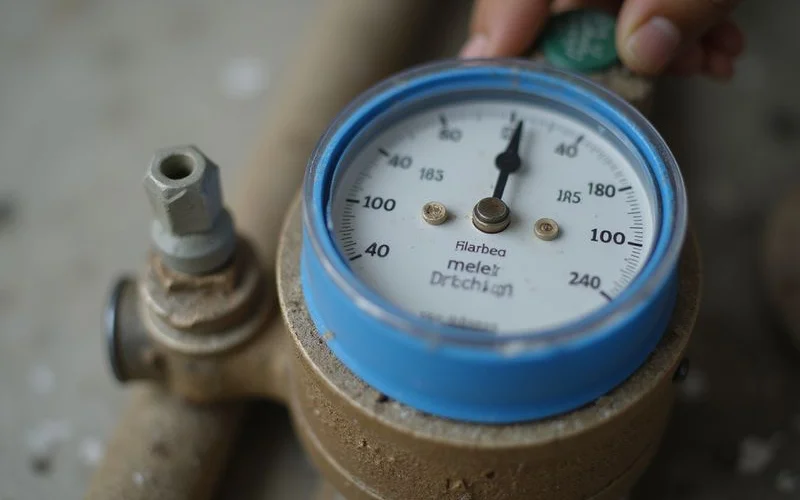
If you suspect an issue, the very first step is to read your property’s meter, shut off all taps, and check the reading again an hour later. A changing dial confirms water is moving through the system, meaning your next move should be to call us for leak detection and repair.
We often remind clients that Air Selangor loses roughly 27% of its treated water to non-revenue water issues, largely due to hidden leaks just like these. Let’s look at the data, what these water leak detection signs actually mean, and explore a few practical ways to respond.
The five most common warning signs
Unexplained Jumps in Your Water Bill
Our team constantly sees homeowners caught off guard by sudden spikes in their utility costs. If your Air Selangor bill suddenly costs much more than usual without a change in household habits, a concealed breach is the most likely culprit.
This financial shock happens because the domestic tariff structure jumps significantly as usage increases. We see rates climb from RM1.62 per cubic metre to RM3.51 per cubic metre once a property exceeds 35 cubic metres of usage. A continuous drip pushes your usage into that expensive top tier very quickly.
Unpredictable Damp Patches and Stains
We regularly encounter properties where water has been silently pooling behind surfaces for months. Stains, blistering paint, or a darkened patch on the ceiling usually indicate trapped moisture. The visible damage rarely matches the exact origin point, as moisture simply takes the path of least resistance through your building materials.
Our inspectors frequently find efflorescence, which is a white, chalky mineral deposit left behind when water evaporates through concrete or plaster. Ignoring these marks often leads to expensive structural deterioration, as they are classic concealed leak symptoms.
Low or Fluctuating Water Pressure
Our plumbers know that a steady drop in pressure across your taps is a major red flag. A breach somewhere in the supply line reduces the volume reaching your fixtures. You will likely notice this most when using multiple appliances at once, such as a shower and a washing machine.
We highly recommend checking if the pressure loss is isolated to one room or affects the entire property. Widespread pressure drops strongly suggest the main supply line is losing water into the ground.
Persistent Musty or Mildew Smells
We always advise clients to trust their nose when inspecting a room. Standing moisture inside a wall cavity creates a distinct, damp odour over time. Even if a corner looks perfectly dry, a constant musty smell indicates something is wet behind the drywall or plaster.
Our technicians often discover hidden mould colonies growing in these dark, humid spaces. Prompt action is critical here to protect both your property and your indoor air quality.
A Meter That Keeps Moving
We consider a spinning dial on a closed system to be definitive proof of a problem. With all taps closed and no appliances running, your property’s meter should remain completely static. A slowly turning indicator confirms that treated water is escaping somewhere in the underground pipes or internal plumbing.
Our experts suggest taking a photo of the meter reading, waiting an hour, and comparing the numbers. Any change in the digits during that idle period requires immediate professional investigation.
Why hidden leaks get expensive fast
We see the secondary damage from these issues outpace the cost of the wasted water very quickly. Wet timber rots, plaster loses its structural integrity, and tiles detach from their saturated screed backing.
Concrete absorbs this moisture over time, leading to a condition called spalling where the reinforced steel rusts and the concrete cracks. Our clients are often surprised to learn that a tiny pipe fix can easily turn into a massive wall and ceiling reconstruction project.
The wrong diagnostic approach adds another layer of unnecessary expense. Many property owners have paid for walls to be hacked open in completely wrong locations because someone simply guessed where the moisture was originating.
We use advanced diagnostic technology to pinpoint the exact source without destructive guessing.
Advanced Diagnostic Tools We Use
Modern technology allows us to find the issue without creating unnecessary mess in your home. We rely on specialised equipment to ensure precise, non-destructive detection.
- Thermal Imaging: High-end FLIR cameras map out hidden moisture patterns behind solid walls. These thermal cameras detect subtle temperature differences caused by evaporating moisture, tracing cold spots back to the origin. We use this visual data to confirm the exact spread of the damage.
- Acoustic Listening: Devices like the Fisher XLT-100 pick up the specific vibration frequencies of escaping water. Leak sounds in the PVC pipes commonly used in Malaysia typically resonate between 70 Hz and 850 Hz. Our technicians use these specific frequency filters to locate the exact spot of the failure.
This scientific approach ensures the only wall you open is the one that actually needs fixing.
When to call
If you notice any combination of the signs of a hidden water leak discussed above, getting a professional inspection early is crucial. Waiting only allows the structural damage and your utility bills to multiply. And if a slow leak ever turns into a sudden burst, our guide on what to do when a pipe bursts walks you through the immediate steps.
We dispatch our rapid response teams daily from Saujana Damansara across Petaling Jaya and the wider Selangor region. An inspection visit usually narrows the problem down in a matter of minutes.
Our goal is to give you clear answers and practical solutions.
If you are unsure whether that damp patch is a serious pipe issue or just harmless condensation, a quick site check is always the safest choice. Call our office today to schedule your assessment and protect your property.