Our team often finds that water issues in older Petaling Jaya properties share a common, hidden source.
Homes built during the 1970s and 1980s rely on materials that simply cannot last forever. The persistent drop in water pressure and the sudden appearance of brown water usually point straight to galvanised pipe corrosion.
We regularly encounter this specific challenge in classic neighbourhoods like SS2 and Saujana Damansara. Let’s examine what causes these plumbing failures and explore the most effective ways to restore your home’s water quality. Understanding the root cause is the first step in finding a permanent solution.
What galvanised pipes are and why so many older PJ homes have them
We define galvanised pipes as steel tubes coated with a protective zinc layer to delay rust. Developers used these pipes extensively as the standard for Malaysian residential water supplies throughout the 1970s and 1980s.
When property builders like S.E.A Housing Corp first established areas like SS2 in the 1970s, this material was the premium choice.
Our experience shows that a fresh galvanised pipe handles the daily demands of a bustling household effortlessly. The core issue arises because these pipes have a maximum life expectancy of about 40 years.
Properties built during that era have now stretched their original plumbing well past the intended lifespan. We frequently remind clients that pipes installed half a century ago are now operating on borrowed time.
The zinc layer breaks down over the decades from constant exposure to running water. This inevitable degradation leaves the underlying steel completely vulnerable to the elements.
How galvanised pipes fail from the inside
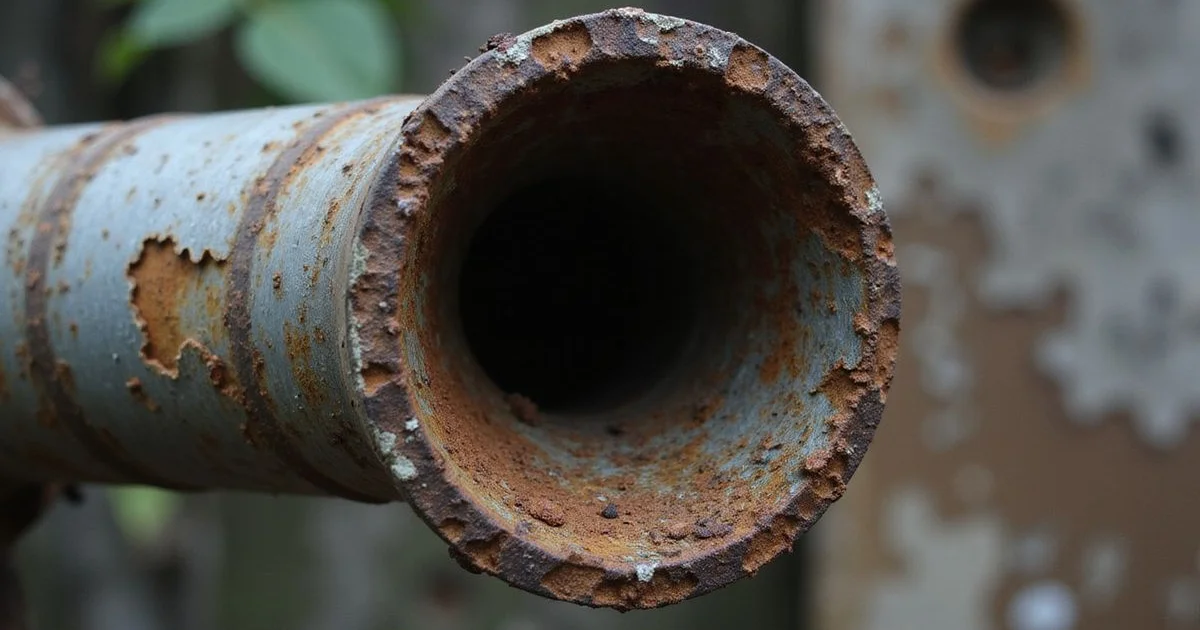
Our technicians know that internal pipe failure begins when the protective zinc coating wears away, allowing the bare steel to rust from the inside out. This deterioration happens entirely out of sight behind your walls.
Unlike external rust that you can easily spot, this internal decay creates a thick layer of scale along the inner walls. We frequently see this buildup completely choke the water flow, dropping your home’s water pressure significantly below standard levels.
The friction from the flowing water eventually breaks off pieces of this rust scale. This exact process creates the rusty water pipes PJ residents frequently complain about in local community forums.
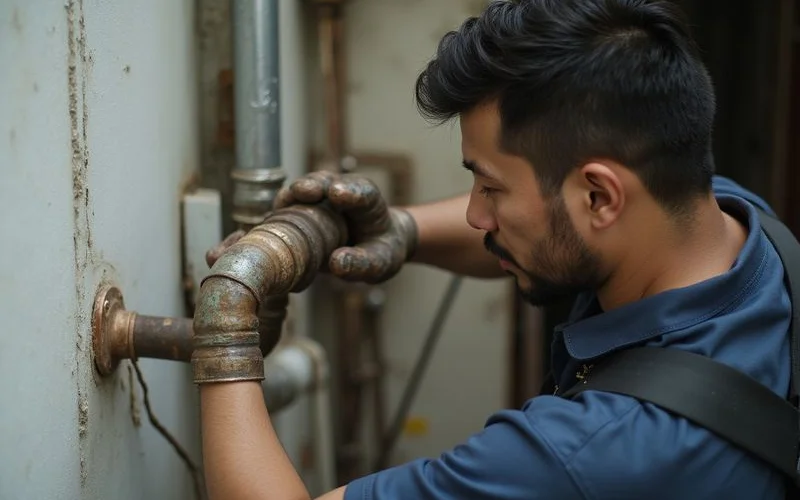
Our plumbers always warn clients that clean water from Air Selangor can easily become contaminated once it passes your water meter and enters these deteriorating lines. The steel eventually becomes so thin that microscopic pinhole leaks develop.
These tiny breaches typically form at threaded joints and fittings before spreading to the straight pipe sections. We look for three distinct stages of internal pipe failure during our inspections.
- Initial zinc depletion from decades of constant use.
- Scale accumulation severely restricting the internal pipe diameter.
- Structural breaches creating active leaks behind tiles or cabinets.
Fixing these breaches quickly is essential to prevent structural water damage. Leaving them unattended always leads to more expensive restoration work later.
Why this matters across older PJ neighbourhoods
We find this matters deeply because homes in historic PJ districts are operating on plumbing systems that are decades past their expiration dates. Neighbourhoods like SS2, Section 14, and Saujana Damansara contain thousands of properties built in the 1970s and 1980s.
A vast majority of these classic homes still rely on their original plumbing infrastructure. Our assessments align with recent industry data from an Air Selangor 2024 report, noting that 55% of aging pipe failures stem from 1980s installations.
While local authorities actively replace the main public supply lines, property owners remain strictly responsible for everything after the water meter. If your morning shower has lost its power or you spot brown water, old galvanised pipes leaking are the most probable culprit.
We strongly recommend addressing these warning signs before a minor drip turns into a flooded kitchen.
A proactive approach prevents expensive damage to your cabinets, flooring, and electrical systems. Ignoring the symptoms simply guarantees a much larger repair bill down the road.
When repipe beats patch
Our team advises choosing a full repipe over a patch when a system shows multiple points of failure. A single, isolated leak in a relatively new pipe often justifies a quick spot repair.
The dynamic changes completely when dealing with a 50-year-old water system. We consider repeated patching of old plumbing to be a frustrating financial trap.
Corrosion inside an older home is a system-wide disease rather than a localized injury. Fixing one weak joint today simply pushes the water pressure to the next weakest joint, causing another blowout next month.
We always take a comprehensive look at the property when homeowners call us for pipe repair and repiping. A sound system with one accidental puncture gets a precise, targeted fix.
If the diagnostic reveals broad rust accumulation, a complete replacement is the only logical solution. Our plumbers encourage property owners to review our repair vs repipe guide for a deeper look at these specific trade-offs.
Comparing the long-term impacts helps clarify the best financial decision. Here is a direct breakdown of the two approaches:
| Strategy | Immediate Cost | Long-Term Reliability | Best Use Case |
|---|---|---|---|
| Spot Patching | Lower upfront expense | Very low for aging systems | Accidental damage on new pipes |
| Full Repiping | Higher initial investment | Decades of guaranteed stability | Systems older than 30 years |
The signs you’re already past the patching stage
We know a system is past the patching stage when you experience brown water, low pressure, and recurring leaks simultaneously. These three symptoms confirm that the internal walls of the plumbing have completely broken down.
Spot repairs will no longer hold because the surrounding metal is simply too thin to support a new joint or clamp. Our technicians are trained to look for a specific combination of failures before recommending a total replacement.
The signs of terminal plumbing failure are undeniable once you know what to watch for. The most common indicators include:
- Discoloured water flowing from multiple taps.
- Chronic pressure drops across the entire home.
- More than two plumbing leaks in a single year.
We can confidently state that investing in new pipes is far cheaper than paying for constant emergency call-outs. Upgrading the system protects your property from severe water damage.
A modern plumbing installation finally gives you the peace of mind you deserve.
Our team is ready to inspect your property and provide a clear assessment of your plumbing needs. Reach out to schedule your professional consultation today.
Protecting your home’s water supply is just a phone call away.